CALIPSO
CALISPSO – Airborne Carbon: Limits, Impact, Protocols and Operational Standards
The EU Directive 2019/130 (transposed in Italy by DM 11/02/2021 amending Decr. Leg 81/2008) includes airborne Elemental Carbon (EC) in the list of carcinogenic compounds to be monitored as a marker of workers’ exposure to diesel engine smoke emissions.
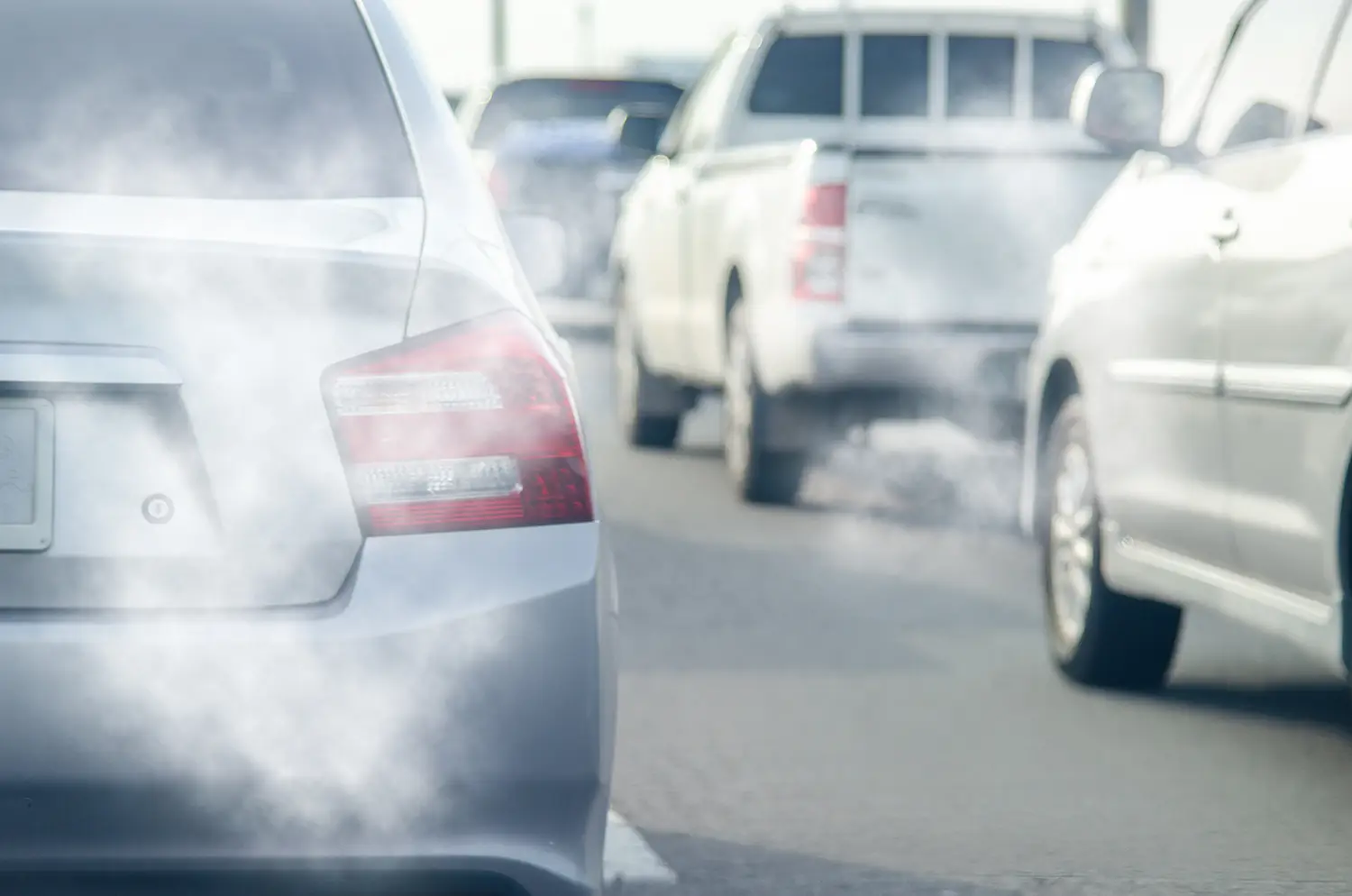
However, there is no clear national regulatory reference, and the methods currently in use for determining carbonaceous aerosol in air are different and not always overlapping.
This condition pushed the development of our most ambitious project: CALIPSO – Carbon Aerodispersed: Limits, Impacts, Protocols and Operational Standards, financed by the Regional Programme PR ERDF 2021 – 2027 of Regione Liguria, which PM_TEN coordinated as lead partner and is carried out in collaboration with #SIGE SRL and #BEES (Bayesian Estimation for Engineering Solutions S.r.l).
Our goal is to develop procedures and operating standards for the assessment of carbonaceous aerosol concentrations in air.
- We have studied and compared different sampling methods used in work environments in order to select the most effective and versatile, as well as operator-friendly, technique.
- We have collected particulate samples produced by different sources and in different sites (indoor and outdoor) and characterize them using a wide range of state-of-the-art analytical methodologies.
- We have evaluated currently used analytical methodologies and advanced technologies for the assessment of EC concentrations, identifying similarities and proposing innovative solutions.
- We have applied an inter-comparison approach, based both on the implementation of in-situ measurement campaigns and on experiments carried out in a controlled atmosphere at the ChAMBRe research infrastructure, thanks to the collaboration with the INFN section in Genoa and the environmental physics group of the University of Genoa (ChAMBRe (infn.it)).
- We have collected information on typical carbonaceous aerosol exposure values and health information, and we have analysed the dataset obtained with artificial intelligence algorithms, to identify possible correlations between the measured (and/or measurable) parameters and potential attention and critical elements that may have an impact on human health.
PM_TEN’s Role:
The results obtained from this project have provided a solid scientific foundation for the elaboration and refinement of specific regulations and guidelines on Elemental Carbon measurement in accordance with national and international guidelines and with reference to the actual needs of practitioners.
The results obtained from this project have provided a solid scientific foundation for the elaboration and refinement of specific regulations and guidelines on Elemental Carbon measurement in accordance with national and international guidelines and with reference to the actual needs of practitioners.
The results achieved within the CALIPSO project were presented at the PM2026 National Conference on Atmospheric Aerosol, held in Naples from 26 to 29 May 2026, and led to the publication of a paper in an international peer-reviewed scientific journal.
Discover our related services